
New Flavor Profiles in Mint Oil Formulations
October 29, 2025

Introduction
Mint oil has long been a cornerstone in the flavor and fragrance industries, celebrated for its crisp, cooling, and refreshing properties. From toothpaste to teas, chewing gum to confections, mint provides both sensory appeal and functional benefits. But as consumer tastes evolve, so too must the profiles of mint-based products. This article explores the emerging trends, innovations, and technical considerations behind new mint oil flavor formulations that are reshaping how this classic botanical is used across industries.
Key Takeaways
- Mint oil innovation is being driven by changing consumer preferences and demand for novel experiences as well as price demands from companies purchasing mint oils.
- New flavor profiles—ranging from botanical blends to dessert-inspired notes—are expanding mint’s application potential.
- Technical formulation and sustainable sourcing play key roles in successfully delivering differentiated mint products.
Understanding Mint Oil as a Flavoring Agent
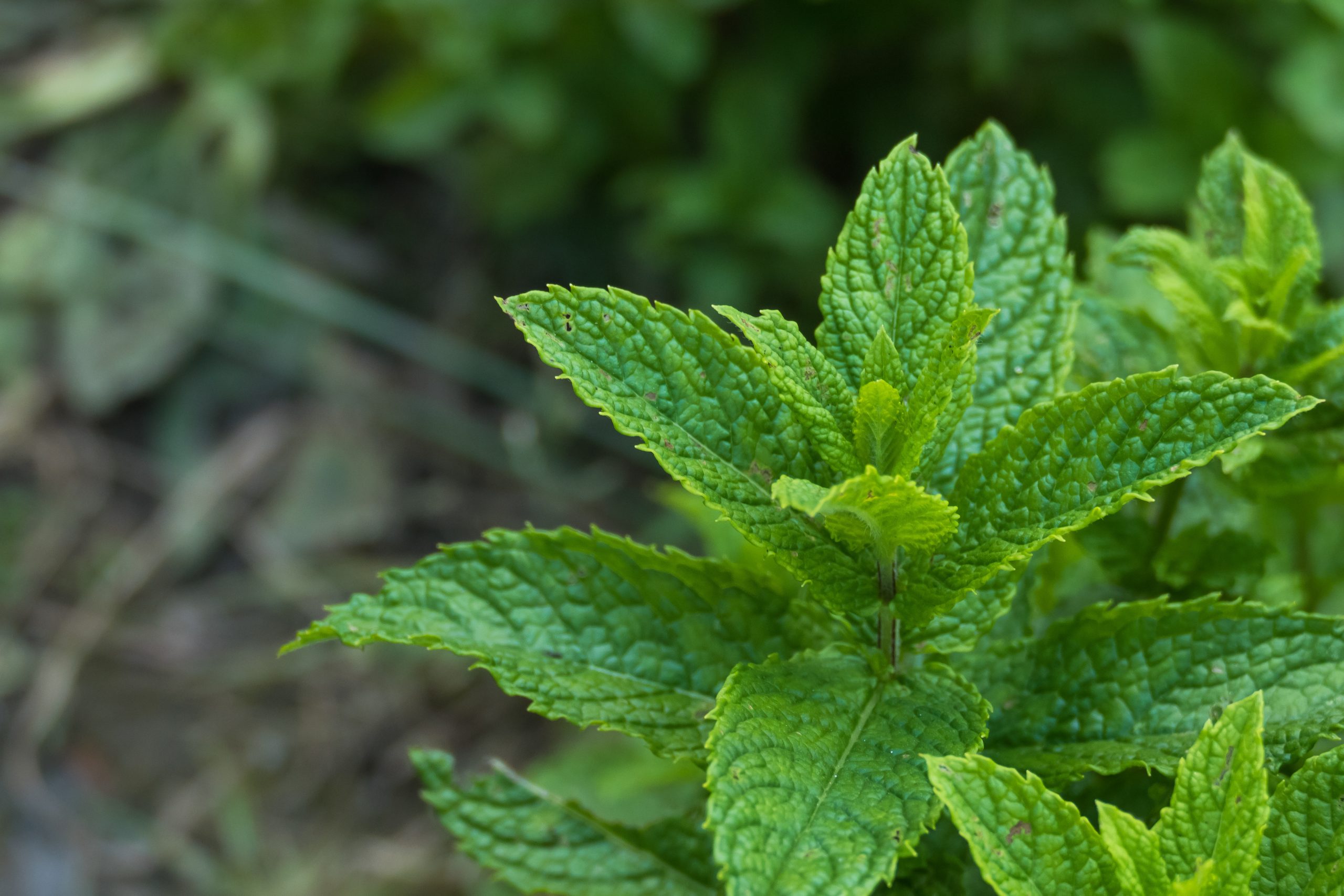
Key types of mint in use:
- Peppermint: Bold and cooling, often used in oral care, confectionery and gum.
- Spearmint: Sweeter, milder, popular in gum, confection and beverages
- Arvensis (Cornmint): A cost-effective option with high menthol content, used in industrial flavor systems. A primary flavor profile foundation in European and Asian markets.
Natural vs. synthetic mint oils:
- Natural oils are derived through steam distillation and favored in clean-label formulations. Can be blended to create consistent profiles year after year while keeping natural labeling.
- Synthetic variants offer consistency and cost efficiency, often used in custom mint flavors, N&A flavor profiles, artificial flavors, when adding extra cooling and more.
Traditional characteristics:
Mint oils are prized for their cooling sensation, herbal freshness, and familiar flavor profiles, but evolving consumer tastes are encouraging brands to move beyond these traditional notes.
Why Innovation in Mint Oil Flavor Profiles Matters
- Evolving consumer palates seek more than just freshness—today’s buyers crave complexity, personalization, and purpose-driven flavors.
- Differentiated experiences are vital in saturated markets like gum, candy, mouthwash, and functional beverages.
- Brand competitiveness increasingly depends on delivering unique sensory experiences that stand out on shelves and in routines.
Trends Driving New Mint Flavor Profiles

Botanical Blends
Pairing mint with lavender, eucalyptus, or green tea creates nuanced profiles aligned with wellness trends. These combinations introduce complexity while maintaining a clean and herbal core.
Fruity Mint Combinations
Mint fused with lime, yuzu, berries, or melon brings vibrancy to candies, gums, and more. These pairings enhance freshness while appealing to younger, adventurous consumers who are interested in global flavors.
Spiced and Exotic Mint Notes
Blends with ginger, cardamom, or cinnamon deliver dynamic warming-cooling experiences—ideal for seasonal products or premium confections.
Sweet and Dessert-Inspired Mints
Flavors like mint chocolate, candy-cane mint, after dinner mints, or vanilla mint are a staple in the oral care and confection categories. These profiles offer familiarity with a twist. There remain many opportunities to expand and innovated using inspiration from the dessert menu.
Technical Considerations in Mint Oil Formulations

- Flavor Profiles: Developing flavors using key regional oils and managing component levels to meet expectations
- Target Market: Flavor profiles, levels and ingredients differ for oral care, confection and other categories.
- Cost Implications: Identifying cost parameters is crucial to determining what mint oil blends are used.
- Flavor stability: Oxidation resistance is crucial for shelf-life and consistent performance.
- Additional Considerations: Solubility, Extraction methods, Mint interaction with other ingredients
Balancing Aroma and Taste in Mint Blends
Understanding the volatility of mint compounds helps formulators manage both aroma and taste across product types.
- Top notes deliver the initial impact create differentiation; base notes offer depth, lingering coolness and add complexity to the overall profile.
- Flavor Balance ensure mint and paired flavor profiles collaborate rather than clash in the consumer experience.
Market Applications for Novel Mint Flavor Profiles & Consumer Preferences
Food & Beverage:
Emerging mint profiles & flavor pairings are making waves in chewing gums candies, chocolate and more, offering better-for you and sensory-rich experiences.
Oral Care:
New flavor combinations like mint + lavender, citrus and eucalyptus help brands stand out in toothpastes, mouthwashes, and even flavored floss by offering freshness with personality.
Wellness & Aromatherapy:
Mint is increasingly incorporated into diffusers, lotions, candles, and other personal care products, where its energizing or calming effects are tailored for mood enhancement, refreshment and more.
Sustainability and Sourcing Considerations
- Ethical sourcing of mint from North American and global growers is critical for transparency, traceability and ensuring quality peppermint and spearmint year-after-year.
- Geographic origin affects flavor and odor profiles — soil, climate, and farming methods contribute to regional organoleptic differences.
- There’s growing interest in sustainable extraction and blending methods to reduce environmental impact, improve processes and reduce the cost of mint oils.
Future Outlook for Mint Flavor Innovation
The future of mint lies in cross-category inspiration with culinary and perfumery trends, beverage and confection trends, and personalized flavors based on mood, time of day, or regional tastes. Expect mint to play an even bigger role in adaptive and functional consumer experiences.
In Summary

Mint is no longer just about “fresh.” With shifting consumer expectations and technical capabilities expanding, mint oil is being reinvented in ways that blend tradition with innovation. Whether paired with botanicals, fruits, or spices, the possibilities are endless for formulators ready to think beyond the classic profiles associated with peppermint and spearmint.
Ready to innovate with mint? Let’s develop your next standout mint flavor profile—Contact us today to explore custom mint formulations tailored to your market.
