
Regulatory Bodies Overseeing Mint Oil in Oral Care
January 5, 2026

When it comes to regulatory bodies overseeing mint oil in oral care, several global authorities ensure that every toothpaste, mouth rinse, and oral hygiene product meets safety and quality standards. From the U.S. Food and Drug Administration (FDA) to the European Commission, these agencies establish clear rules on how essential oils like peppermint and spearmint are used in oral health formulations.
Key Takeaways
- Multiple global agencies regulate mint oil and its derivatives used in oral care products.
- Standards vary by region but share a focus on safety, labeling, and ingredient quality.
- Global harmonization is improving transparency and reducing trade barriers for manufacturers.
Who Regulates Mint Oil in Oral Care Products?
Mint oils play a vital role in oral health products like toothpaste, mouth rinses, and dental treatments, but their natural origin doesn’t exempt them from regulation. Regulatory oversight ensures that these natural ingredients meet safety, purity, and efficacy standards before reaching consumers.
Mint oils are subject to review under various regional laws that classify oral products as cosmetics, OTC medicines, or therapeutic goods depending on their intended use.
Why Mint Oil Is Subject to Regulatory Oversight
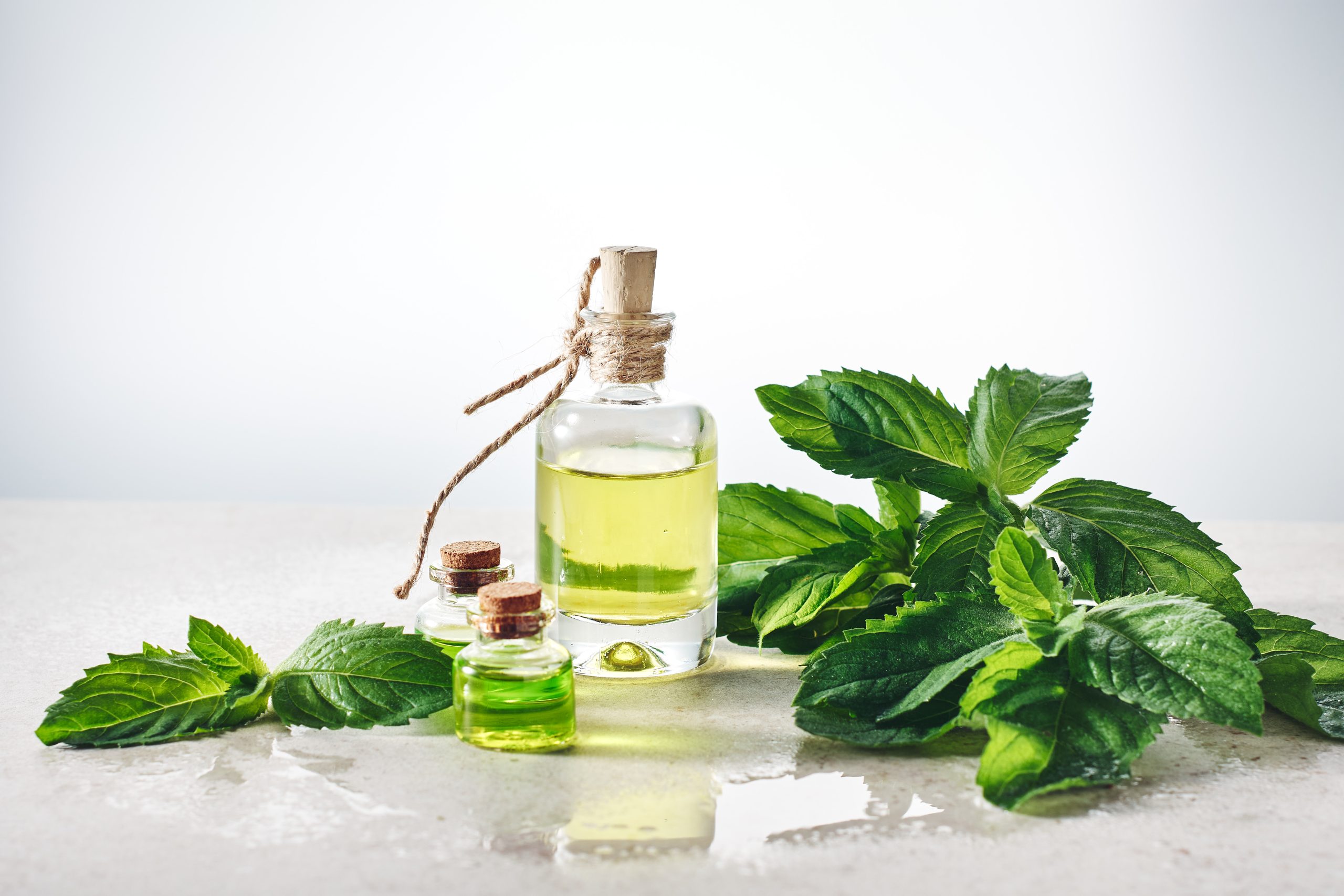
The global nature of oral care distribution means products are sold across markets with differing safety frameworks. Regulatory bodies exist to confirm that essential oils like peppermint and spearmint meet uniform safety and labeling requirements. These agencies review toxicological data, potential allergenicity, and even sensory performance when determining ingredient acceptability in dental and consumer healthcare products.
United States: Food and Drug Administration (FDA)
In the U.S., the drug administration enforces the Federal Food, Drug, and Cosmetic Act (FD&C Act), which governs oral and dental product safety. The FDA’s Center for Drug Evaluation and Research (CDER) oversees products marketed as OTC medical or therapeutic, such as fluoride toothpaste, while the Center for Food Safety and Applied Nutrition (CFSAN) monitors cosmetic oral care products like mouthwashes without active claims.
The OTC Drug Monograph for menthol and related oils provides clear guidance on dosage and labeling for products with active cooling or oral health benefits. FDA also manages facility registration, import control, and inspection protocols to ensure consistent quality across global suppliers.
European Union: European Commission and ECHA
The European Commission enforces EC 1223/2009 (Cosmetics Regulation), which sets detailed requirements for oral and dental formulations sold as cosmetics. The European Chemicals Agency (ECHA), through the REACH regulation, assesses chemical safety for ingredients like peppermint oil and natural flavor extracts.
Manufacturers must register products in the Cosmetic Product Notification Portal (CPNP), where information is shared with national competent authorities across the EU. These agencies collaborate on compliance, labeling, and risk assessments to protect oral health consumers across member states.
Canada: Health Canada and the NNHPD
Health Canada’s Natural and Non-prescription Health Products Directorate (NNHPD) governs oral care products containing essential oils classified as Natural Health Products (NHPs). The NNHPD ensures safety, efficacy, and manufacturing standards, while the Therapeutic Products Directorate (TPD) manages approvals for medical or therapeutic dental formulations.
Site licensing, good manufacturing practices, and clear labeling are essential for Canadian compliance—especially for products designed to support oral hygiene or freshen mouth odor (such as for halitosis).
Australia: Therapeutic Goods Administration (TGA)
The TGA oversees all therapeutic goods, including oral and dental items marketed with active health claims. Through its Poisons Standard (SUSMP), the TGA determines scheduling for substances such as menthol and mint derivatives.
Product registration, labeling, and ingredient review ensure compliance before market entry. The TGA also works with AICIS (formerly NICNAS) to evaluate chemical safety and environmental impact, maintaining public confidence in oral health and tooth care formulations.
Global Harmonization Efforts and Industry Influence

Codex Alimentarius and WHO Guidelines
The Codex Alimentarius Commission and the World Health Organization (WHO) publish global safety guidelines for flavorings and chemical exposure in care products. These frameworks promote consistent quality for ingestible mint or peppermint mouth formulations used in global markets.
ISO and ICH Collaboration
The International Organization for Standardization (ISO) and the International Council for Harmonisation (ICH) provide standards for product testing, risk assessment, and oral formulation safety—key to advancing harmonized approaches to ingredient review and validation.
Trade Blocs and Cross-Border Regulatory Influence
Regional alliances like ASEAN and Mercosur adapt global standards through agreements like the ASEAN Cosmetic Directive and Mercosur Resolution GMC 07/05, ensuring uniform expectations for cross-border oral product trade.
Role of Non-Governmental and Industry Organizations
IFRA (International Fragrance Association)
IFRA sets usage standards for aromatic ingredients, including mint-based oils in oral products. Compliance with IFRA guidelines is often required for professional trade between ingredient suppliers and dental or personal care manufacturers.
Personal Care Product Council (PCPC) and Cosmetics Europe
These organizations promote harmonization across markets by supporting research, safety assessments, and advocacy for consistent global standards in oral care and consumer protection.
NSF International and Other Certification Bodies
Third-party certifiers like NSF International support compliance by offering voluntary certifications recognized by regulatory agencies. Their audits and testing validate manufacturing consistency, helping companies achieve quality assurance in oral and dental formulations.
Monitoring, Enforcement, and Regulatory Interactions
Regulatory enforcement relies on inspections, product recalls, and data sharing. The FDA and EU use tools like import refusals and RAPEX notifications to address compliance issues.
Global databases such as the FDA Ingredient Database and CosIng promote transparency and streamline oral ingredient approvals through mutual recognition agreements (MRAs). Cooperation between authorities helps ensure safe, effective, and high-quality dental products for consumers worldwide.

In Summary
Across the globe, regulatory bodies overseeing mint oil in oral care safeguard public trust in oral health, product quality, and ingredient safety. From North America to the EU and beyond, these interconnected frameworks ensure that natural mint oils remain a cornerstone of safe, effective, and refreshing dental innovation.
Work with Callisons to develop compliant, high-quality mint-based flavor solutions designed to meet the standards of every major global market.
